

Pneumatic Transducers
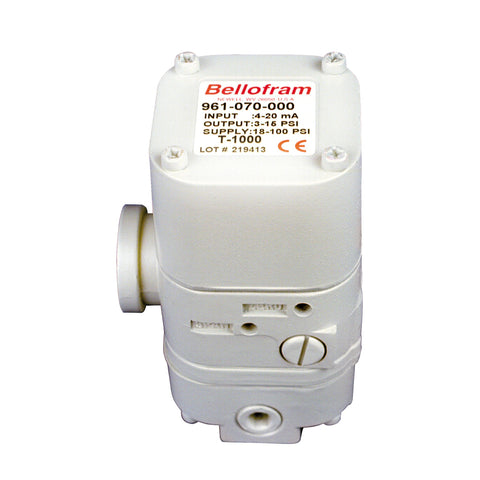
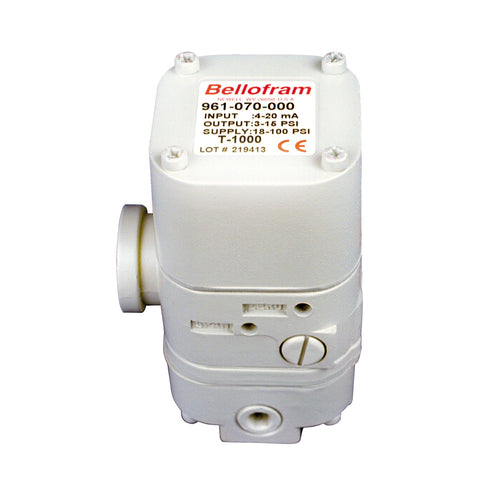
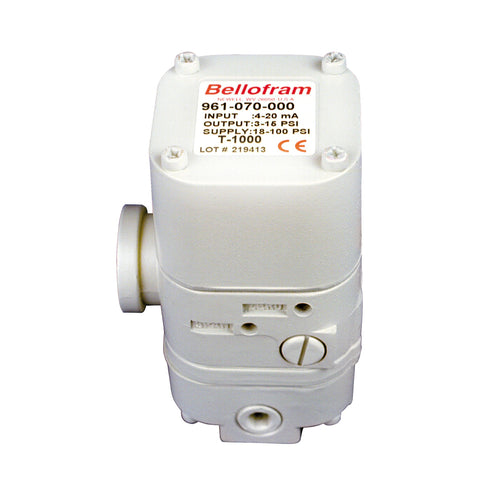
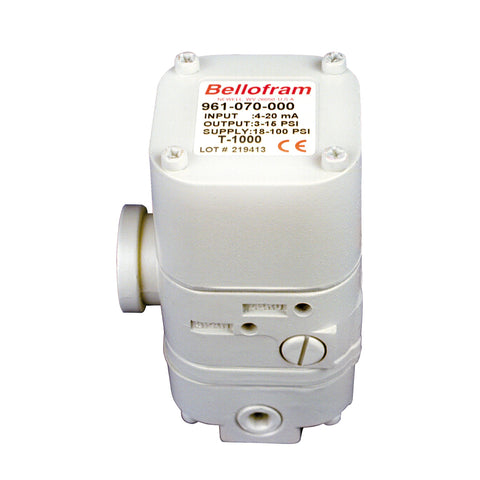
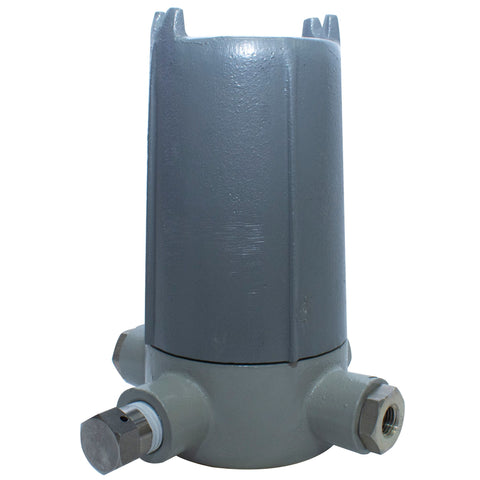
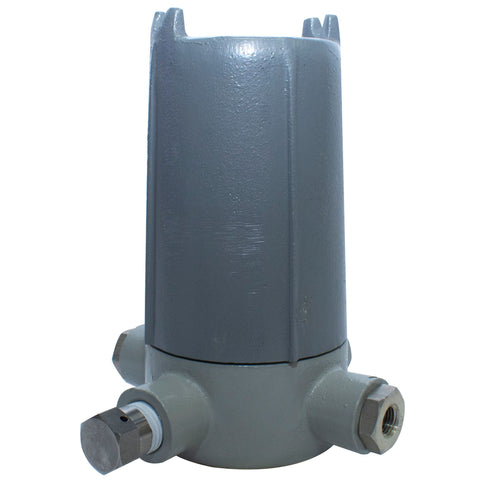
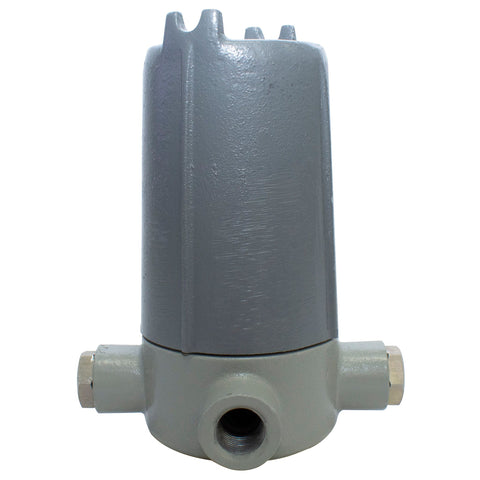
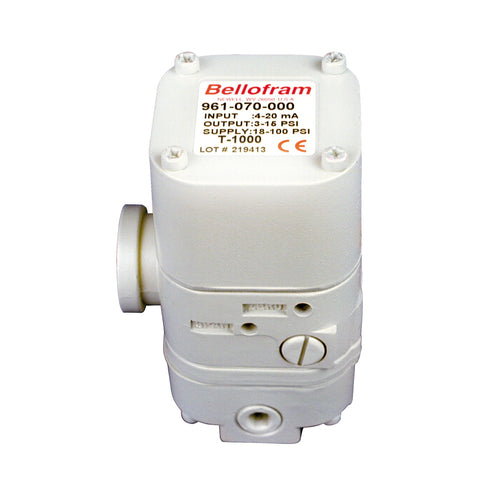
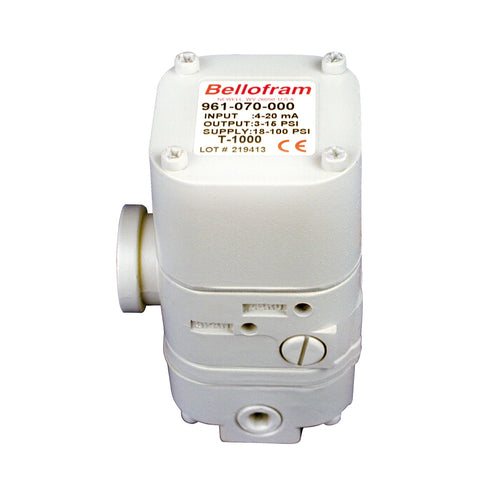
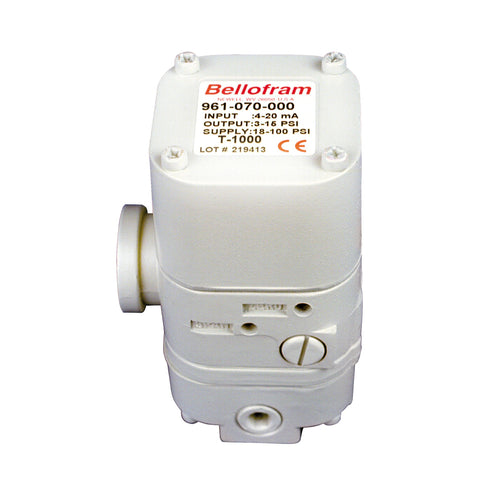
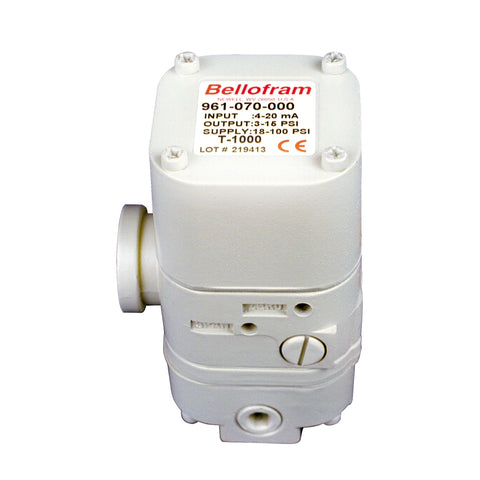
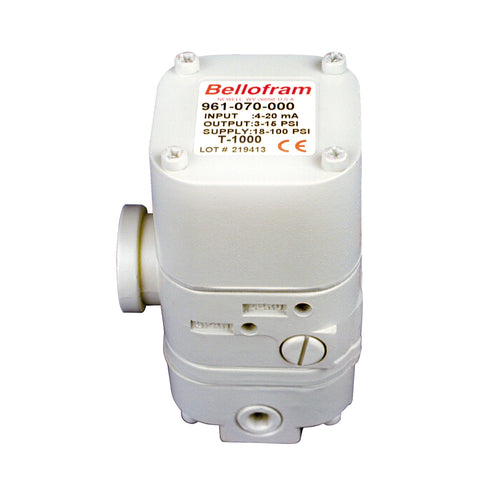
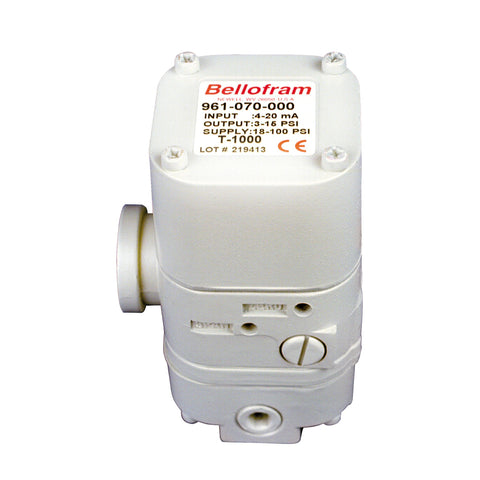
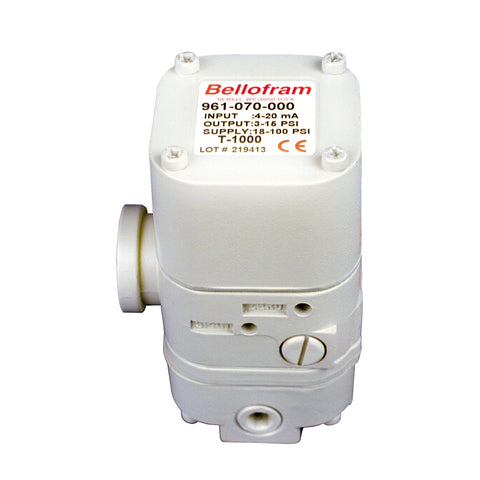
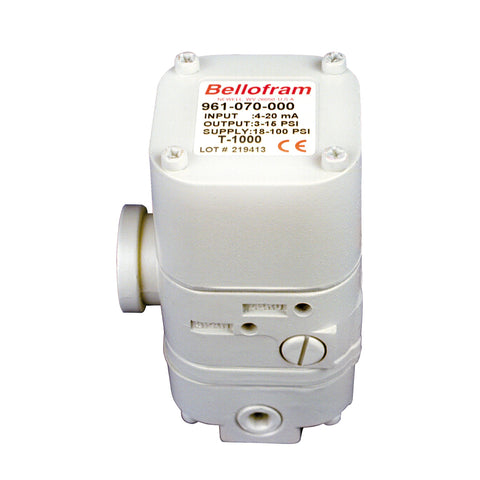
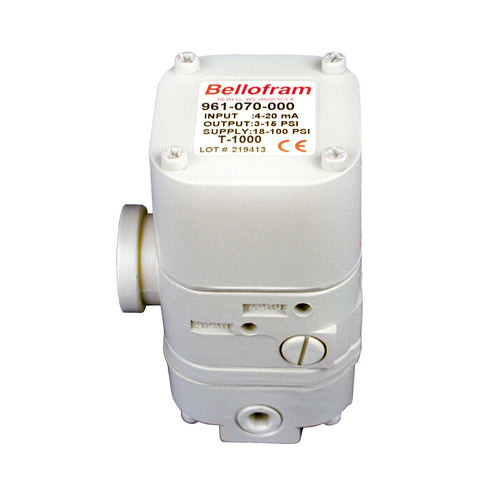
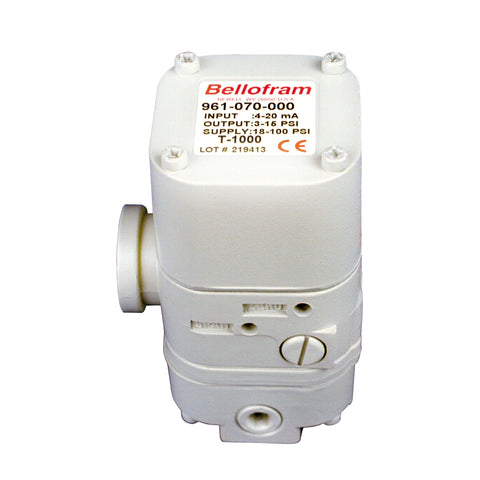
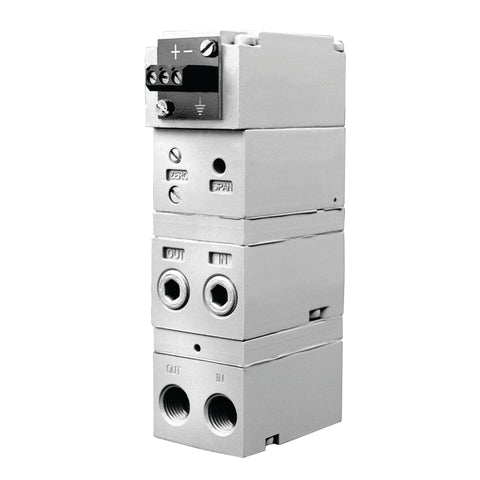
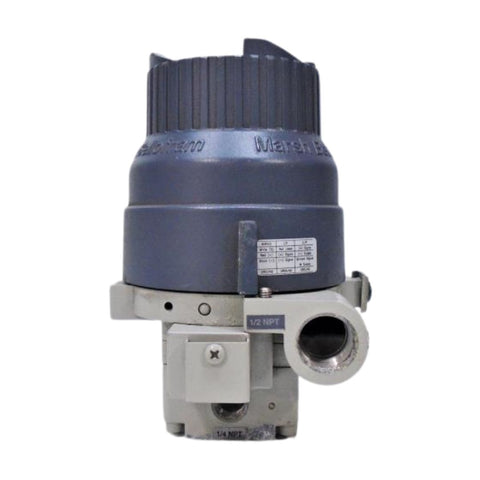
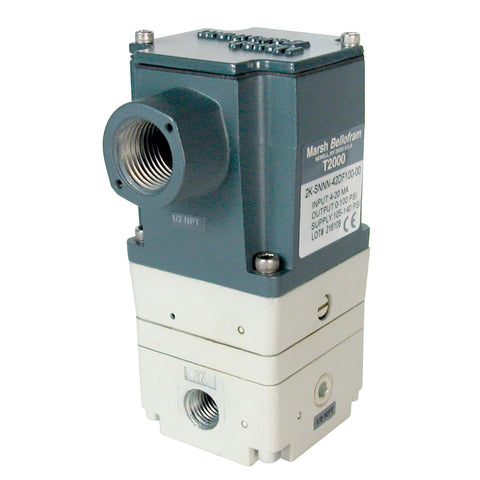
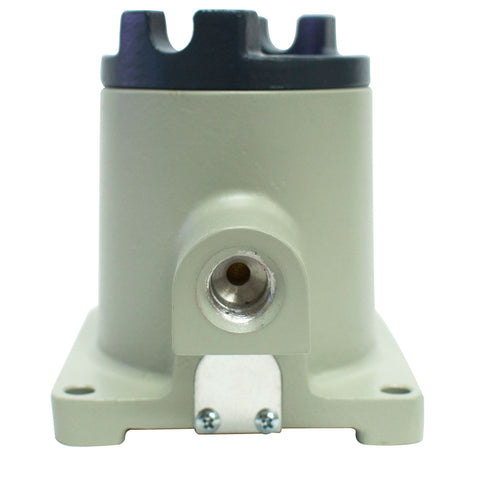
Precision I/P and E/P Transducers for Electro-Pneumatic Control
Bellofram Precision Controls offers a broad range of pneumatic transducers designed to interface electronic control systems with pneumatic equipment. Available configurations include I/P current-to-pressure transducers, E/P voltage-to-pressure transducers, high-relief models, intrinsically safe transducers, explosion-proof configurations, and pressure transmitters for industrial measurement and control applications.
Bellofram I/P and E/P transducers convert electrical command signals into proportional pneumatic pressure outputs for applications such as valve actuation, positioning, automation, process control, robotics, material handling, and liquid or gas processing. Depending on the model, available input options include standard current and voltage signals, with pressure ranges and pneumatic flow capabilities suited to a variety of control requirements.
The product range includes compact general-purpose devices as well as NEMA 4X, intrinsically safe, and explosion-proof transducers for applications with more demanding installation requirements. Selected designs also incorporate built-in pneumatic volume boosting, high-relief capability, external zero and span adjustment, and multiple mounting options.
Why Choose Bellofram Pneumatic Transducers?
Precise Electro-Pneumatic Conversion: Bellofram I/P and E/P transducers convert electrical control signals into proportional pneumatic pressure for accurate control of actuators, valves, positioners, and other pneumatic equipment.
Standard Industrial Signal Options: Available configurations include 4-20 mA current-input transducers and voltage-input E/P models. Signal availability varies by product family and should be matched to the control system.
High-Flow Options: Selected transducers incorporate pneumatic volume boosting to provide increased flow capacity. The Type 1000, for example, includes an integral volume booster for applications requiring greater pneumatic output.
High-Relief Configurations: Bellofram offers high-relief transducer models for applications where increased exhaust capacity is needed to reduce downstream pressure more rapidly.
Hazardous-Location Options: Intrinsically safe and explosion-proof configurations are available within selected Bellofram transducer families for installations that require appropriately approved electrical equipment.
Flexible Installation: Depending on the model, mounting options include pipe, panel, bracket, DIN-rail, inline, and manifold installation, providing flexibility for OEM equipment and industrial control systems.
Environmental Protection: Selected transducers are available with NEMA 4 or NEMA 4X enclosures for applications requiring additional protection from environmental exposure.
I/P and E/P Transducers for Industrial Automation
An I/P transducer, also known as a current-to-pressure transducer, converts an electrical current signal such as 4-20 mA into a proportional pneumatic pressure output. These devices provide an interface between electronic controllers and pneumatically operated equipment.
An E/P transducer, or voltage-to-pressure transducer, performs a similar function using a voltage command signal. Both technologies allow electronic automation systems to control pneumatic pressure without requiring manual regulator adjustment.
Bellofram also offers specialized products such as the Type 1500 for high-flow valve and positioner control, the Type 2000 for high-accuracy electro-pneumatic control in demanding environments, and the Type 5000 pressure transmitter for converting pneumatic pressure into an electrical output signal.
Pneumatic Transducer Applications
Bellofram pneumatic transducers are used in applications including valve actuators, valve positioners, louver and damper actuators, machining centers, robotics, material handling equipment, liquid and gas processing, pneumatic cylinders, clutches and brakes, and other industrial automation and process-control systems.
Find the Right I/P or E/P Transducer
Selecting the right electro-pneumatic transducer depends on factors including electrical input signal, required pneumatic output pressure, supply pressure, flow and exhaust capacity, accuracy, response requirements, mounting method, operating temperature, enclosure type, and hazardous-location requirements.
Explore the Bellofram pneumatic transducers above to compare general-purpose, high-relief, NEMA-rated, intrinsically safe, explosion-proof, and extended-range configurations. Bellofram Precision Controls can also assist with selecting a transducer for specialized OEM and industrial control applications.
Pneumatic Transducer FAQs
What is a pneumatic transducer?
A pneumatic transducer converts between an electrical signal and a pneumatic pressure signal. I/P and E/P transducers convert electrical commands into proportional pneumatic output pressure, while pressure transmitters can perform the reverse function by converting pneumatic pressure into an electrical output signal.
What is an I/P transducer?
An I/P transducer is a current-to-pressure converter. It accepts an electrical current signal, commonly 4-20 mA, and produces a proportional pneumatic pressure output that can control valves, actuators, positioners, and other pneumatic equipment.
What is an E/P transducer?
An E/P transducer converts an electrical voltage signal into a proportional pneumatic pressure output. It provides an interface between voltage-based electronic control systems and pneumatically operated equipment.
What is the difference between an I/P and E/P transducer?
The primary difference is the electrical input signal. An I/P transducer responds to a current signal such as 4-20 mA, while an E/P transducer uses a voltage input. Both convert the electrical command into proportional pneumatic pressure.
What does a 4-20 mA I/P transducer do?
A 4-20 mA I/P transducer converts a standard industrial current signal into a corresponding pneumatic pressure. For example, the Bellofram Type 1000 I/P platform is available with a 4-20 mA input and pneumatic output configurations such as 3-15 psi.
Why would an I/P transducer include a volume booster?
A volume booster increases the amount of pneumatic flow available at the transducer output. This can improve the response of larger actuators or other pneumatic devices that require more airflow than the electrical-to- pneumatic conversion mechanism alone can provide.
What is a high-relief electro-pneumatic transducer?
A high-relief transducer provides increased exhaust capacity so downstream pressure can decrease more quickly when the electrical command signal is reduced. This can be useful in pneumatic systems requiring faster pressure reduction or actuator response.
Does Bellofram offer intrinsically safe I/P transducers?
Yes. Bellofram offers intrinsically safe configurations within selected transducer families, including Type 1000 and Type 2000 models. The appropriate approval and installation requirements should be verified for the specific hazardous location.
Does Bellofram offer explosion-proof transducers?
Yes. Explosion-proof configurations are available within selected Bellofram transducer families, including Type 1000 and Type 2000 products. Specific agency approvals, classifications, and installation requirements vary by model and should be confirmed for the application.
What is the Bellofram Type 5000 pressure transmitter?
The Type 5000 differs from Bellofram's I/P and E/P transducers because it converts an incoming pressure signal into an electrical output. It is a two-wire pressure transmitter available with 4-20 mA or 10-50 mA output and uses a temperature-compensated piezoresistive pressure sensor.
What applications use I/P and E/P transducers?
Common applications include valve actuation, valve positioning, louver and damper control, robotics, machining centers, material handling, liquid and gas processing, air-cylinder control, clutches and brakes, and other automated pneumatic systems.
How do I choose the right pneumatic transducer?
Selection should consider electrical input signal, required output pressure, pneumatic supply pressure, flow capacity, exhaust capacity, accuracy, repeatability, mounting orientation, operating temperature, enclosure requirements, and any intrinsically safe or explosion-proof certifications required by the installation.
