

Air Relay and Volume Boosters
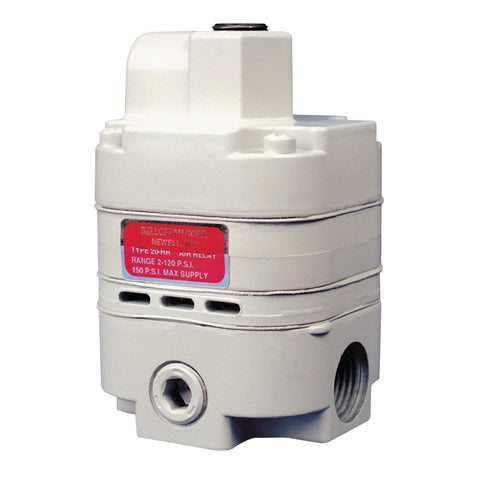
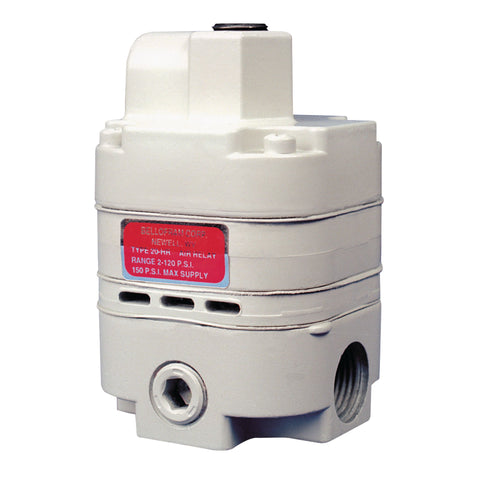
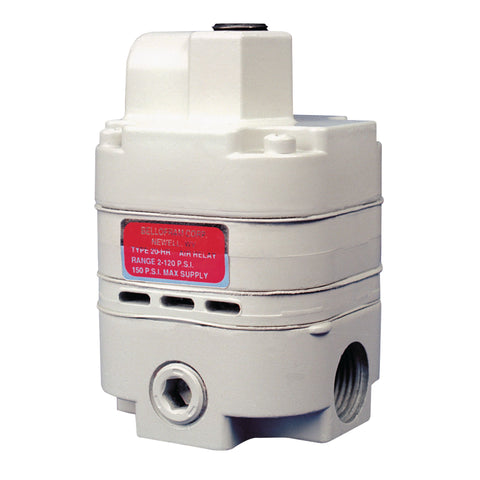
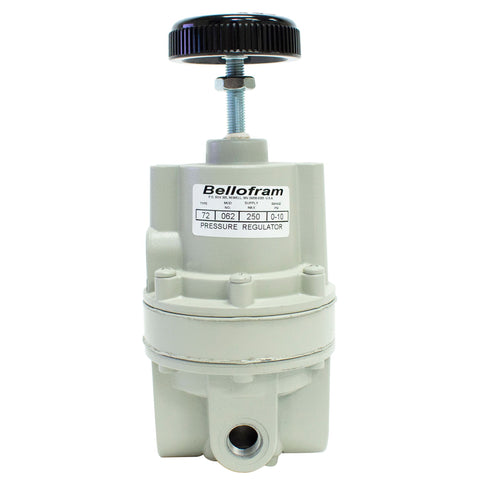
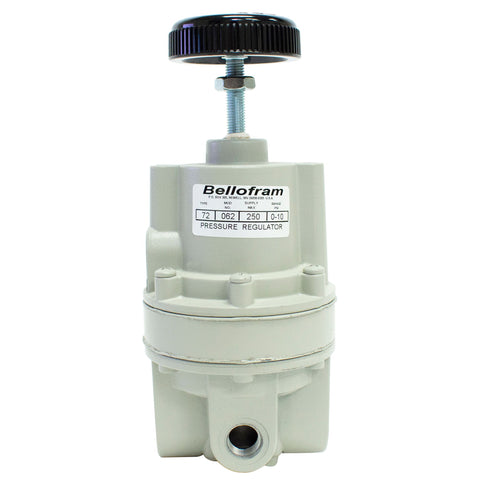
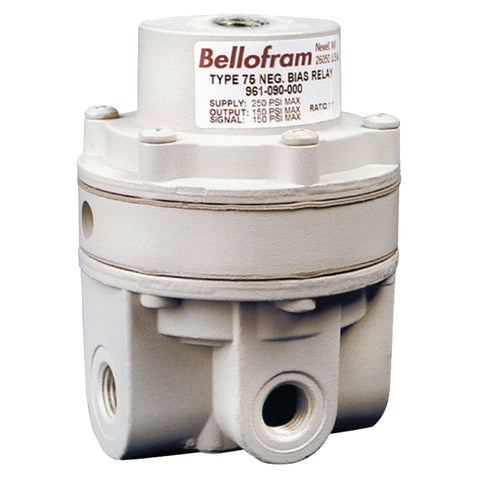
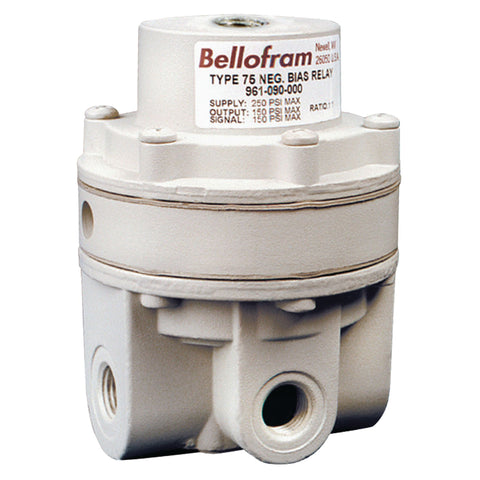
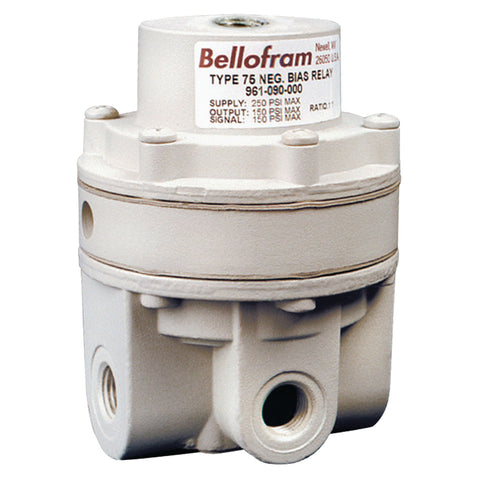
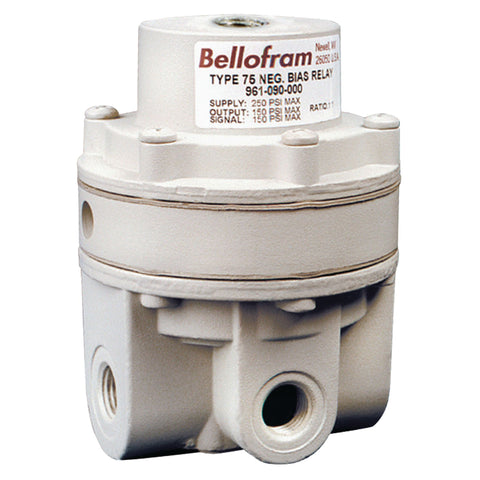
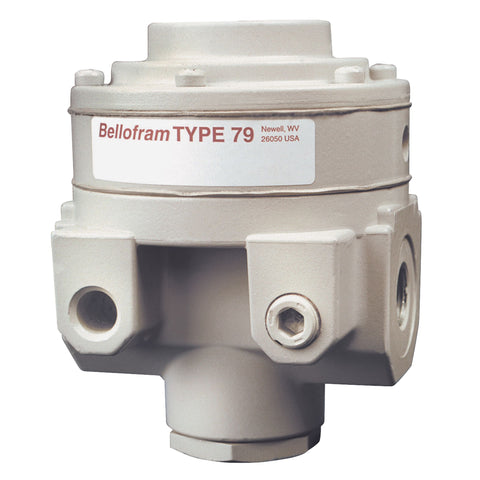
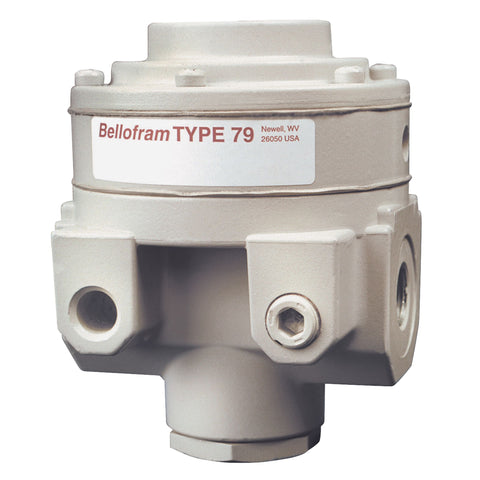
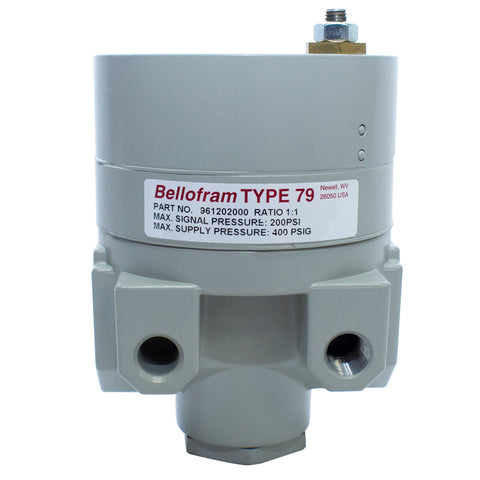
Precision Air Relays and Volume Boosters for Pneumatic Control
Bellofram Precision Controls offers a versatile line of air relays and volume boosters designed to provide accurate, responsive pneumatic pressure control across demanding OEM and industrial applications. These devices use a pneumatic input signal to control or boost output pressure, helping systems achieve the flow capacity, response, and pressure stability required for reliable operation.
Available configurations include compact precision air relays, positive-bias booster relays, negative-bias relays, high-relief models, and high-flow pneumatic relays. Depending on the model, Bellofram relays provide adjustable bias capability, multiple signal-to-output ratios, high flow capacity, and designs that help maintain stable output pressure as supply pressure or flow demand changes.
From pneumatic control valves and actuators to tensioning, braking, positioning, and volume-boosting applications, Bellofram air relays provide engineers with multiple options for matching pneumatic signal and flow performance to the requirements of the system.
Why Choose Bellofram Air Relays and Volume Boosters?
Precise Pneumatic Signal Control: Bellofram precision air relays are designed to translate pneumatic input signals into accurate, repeatable output pressure for process and machine-control applications.
High Flow Capacity: Select models provide increased pneumatic flow for applications where the original control signal cannot supply sufficient air volume directly. Bellofram offers options ranging from compact precision relays to high-flow relays for demanding pneumatic systems.
Stable Output Pressure: Selected designs use technologies such as balanced supply valves, rolling diaphragms, and aspirator systems to help reduce the effects of supply-pressure changes and varying flow demand.
Positive and Negative Bias Options: Available bias relay configurations allow output pressure to be offset from the incoming pneumatic control signal, providing additional flexibility for specialized control requirements.
Multiple Signal-to-Output Ratios: Selected precision relays are available with multiple signal-to-output pressure ratios, allowing the pneumatic signal to be matched to the operating requirements of the application.
High-Relief Configurations: High-relief relay models are available for applications that require increased exhaust capacity and faster response when downstream pressure must be reduced.
Serviceable Designs: Selected Bellofram air relays can be serviced or disassembled without removing the complete unit from the pneumatic line, helping simplify maintenance.
Air Relay and Volume Booster Applications
Bellofram pneumatic relays and volume boosters are used in applications including gas flow control, control valves, valve actuators, remote positioning devices, tensioning systems, clutch and brake controls, dancer roll loading, cylinder control, air hoists, and other pneumatic systems requiring accurate pressure control or increased flow capacity.
Find the Right Pneumatic Air Relay or Volume Booster
Selecting the right pneumatic air relay or volume booster depends on factors such as supply pressure, signal pressure, required output pressure, flow capacity, exhaust capacity, signal-to-output ratio, bias requirements, port size, temperature range, and response characteristics.
Explore the Bellofram air relays and volume boosters above to compare available configurations and specifications. For applications with unique pressure, flow, or control requirements, Bellofram Precision Controls can also help identify a configuration suited to the system.
Air Relay and Volume Booster FAQs
What is a pneumatic air relay?
A pneumatic air relay uses an input air-pressure signal to control an output pressure. Depending on the relay design, it can reproduce, amplify, offset, or otherwise control the relationship between the input signal and output pressure while providing the flow needed by downstream pneumatic equipment.
What does a pneumatic volume booster do?
A pneumatic volume booster increases the volume of compressed air available to a downstream device while responding to a pneumatic control signal. It is commonly used when a control signal provides the correct pressure command but does not provide enough flow to move an actuator or other pneumatic device as quickly as required.
What is the difference between an air relay and a volume booster?
Both devices use a pneumatic signal to control output pressure. An air relay may be selected to reproduce a signal, apply a pressure ratio, or introduce positive or negative bias. A volume booster is generally used when increased air-flow capacity is needed so a downstream pneumatic device can respond more quickly. Some Bellofram relay designs can provide both precision pressure control and volume-boosting capability.
When should a high-flow air relay be used?
A high-flow air relay can be appropriate when the pneumatic control signal alone cannot provide enough air volume for the downstream equipment. Higher flow capacity can improve the response of actuators, valves, cylinders, and other pneumatic devices that require larger volumes of compressed air.
What is a positive-bias pneumatic relay?
A positive-bias relay adds a predetermined or adjustable pressure value to the incoming pneumatic signal. For example, Bellofram Type 72 positive-bias relays are designed so the resulting output pressure is based on the input signal pressure plus the selected bias pressure.
What is a negative-bias pneumatic relay?
A negative-bias relay provides an output pressure that is offset below the incoming pneumatic signal by a specified amount. Negative-bias configurations can be useful when a process or pneumatic control system requires a fixed or controlled pressure difference between the signal and output.
What is a high-relief air relay?
A high-relief air relay is designed with increased exhaust capacity so downstream pressure can be relieved more rapidly when the pneumatic control signal decreases. This can improve response in applications where air must be supplied and exhausted quickly.
How do I choose the right air relay or volume booster?
Selection should consider supply pressure, input signal pressure, required output pressure, flow capacity, exhaust capacity, signal-to-output ratio, positive or negative bias requirements, port size, temperature range, and the response requirements of the downstream pneumatic equipment.
What applications use pneumatic air relays and volume boosters?
Common applications include gas flow control, valve and actuator control, tensioning systems, clutch and brake controls, remote positioning equipment, dancer roll loading, cylinder control, air hoists, and other pneumatic systems that require accurate pressure control or additional flow capacity.
