News
5 Common FRL Mistakes That Are Killing Your Pneumatic Efficiency (And How to Fix Them)
In any industrial pneumatic system, downstream automation, valves, cylinders, and air tools are only as reliable as the compressed air feeding them.
Raw compressed air often contains moisture, contaminants, pressure fluctuations, and little to no lubrication. That is where a Filter-Regulator-Lubricator, or FRL, plays a critical role.
An FRL helps prepare compressed air before it reaches the equipment that depends on it. But even experienced maintenance teams can run into avoidable issues during installation, sizing, placement, or routine upkeep.
If your system is experiencing pressure drop, sluggish cylinder movement, inconsistent tool performance, or premature component wear, these five common FRL mistakes are a good place to start.
1. The Backward Install (Ignoring Airflow Direction)
It sounds simple, but backward installation can happen during fast changeouts, line modifications, or modular assembly adjustments.
Air should move through the FRL in the correct sequence:
Filter → Regulator → Lubricator
When the order is wrong, the lubricator may introduce oil before the air passes through the filter. In that setup, the filter can remove the oil aerosol before it ever reaches downstream components.
The result is reduced lubrication, clogged filter elements, and increased wear on cylinders, valves, and air tools.
How to fix it:
Before tightening pipe fittings, always confirm the stamped “IN” and “OUT” flow markings on the FRL body. Make sure each module is installed in the proper sequence and direction.
2. Sizing the FRL by Pipe Size Instead of Flow Demand
A common specification mistake is selecting an FRL based only on the existing pipe size. A 1/2-inch air line does not automatically mean a 1/2-inch FRL is the correct choice.
The more important factor is the actual air demand of the application.
If the FRL is undersized, it can restrict airflow and create a pressure drop when downstream components cycle, especially during periods of peak demand. This can lead to inconsistent actuator response, reduced tool performance, and wasted energy.
How to fix it:
Size the FRL based on peak system flow demand, typically measured in SCFM. Consider the total air consumption of the connected equipment, especially when multiple tools, valves, or cylinders may operate at the same time.
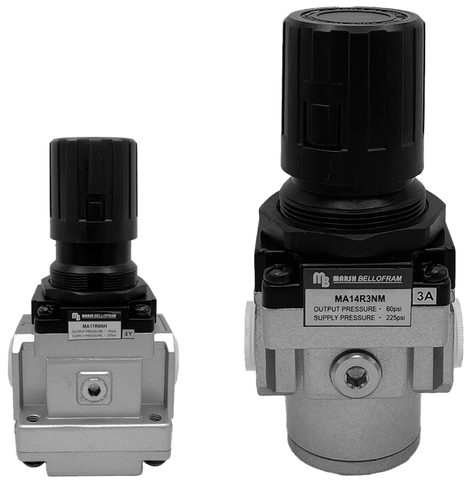
PCD Pro Tip: Our modular FRLs and FRL MA Series are engineered specifically to provide exceptionally wide flow ranges relative to their compact footprint, ensuring stable downstream pressure even under heavy, fluctuating industrial loads.
3. Mounting the FRL in the Wrong Location or Position
Where the FRL is installed can affect how well it performs.
Two placement issues are especially common: distance from the point of use and improper orientation.
Standard oil-mist lubricators work best when they are positioned close enough to the equipment for oil aerosol to remain suspended in the airflow. If the FRL is mounted too far away, oil can fall out of suspension and collect in low areas of the piping instead of reaching the tool or cylinder.
Orientation matters too. FRL bowls, drains, and lubricator siphon tubes are designed to operate vertically. If the unit is tilted or mounted horizontally, drainage and lubrication performance can suffer.
How to fix it:
Mount the FRL vertically with the bowls pointing down. Position the assembly as close to the target equipment as practical, while still allowing safe and convenient access for inspection, draining, and service.
4. Treating Filters as Maintenance-Free Components
Filters capture moisture, pipe scale, and solid contaminants before they reach downstream equipment. But over time, filter elements load up and lose efficiency.
A clogged filter restricts airflow, which can increase pressure drop and force the compressor to work harder. If condensate is not drained properly, moisture can pass downstream, washing away lubrication, promoting corrosion, and shortening component life.
How to fix it:
Set a regular maintenance schedule for checking filter elements and draining bowls. Monitor pressure drop across the filter. A differential pressure increase of 7 to 10 PSI is often a sign that the element needs to be replaced.
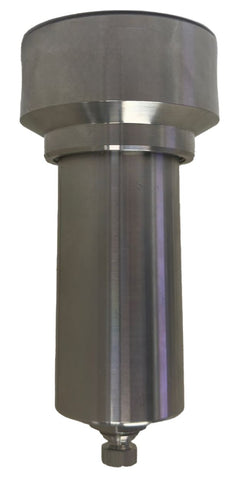
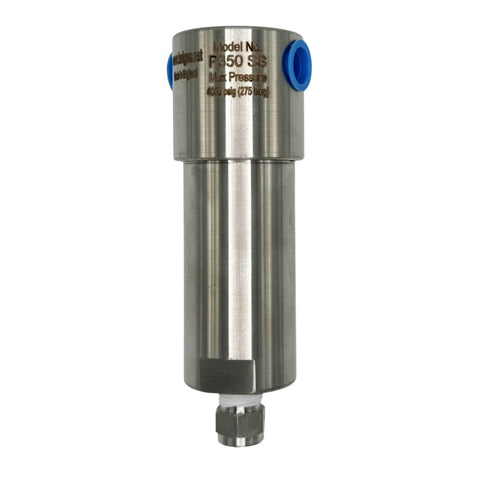
PCD Pro Tip: For more demanding systems, dedicated filtration components such as the Type P350 Series High-Pressure Air Filter or the Type P590 Series In-Line Filter Assembly can help manage specific filtration needs while simplifying maintenance.
5. Guessing on Lubricator Adjustment and Oil Selection
Lubricators need to be adjusted under normal operating conditions. Too much oil can create excess mist, contaminate exhaust air, and make the work area messy. Too little oil can increase seal wear, friction, and equipment downtime.
Oil selection is just as important. Automotive oils or incorrect lubricants may damage bowls, seals, or internal components.
How to fix it:
Use clean, non-detergent, light mineral oil formulated for pneumatic equipment. Adjust the lubricator while the system is operating under normal load. A common starting point is approximately one drop of oil for every 5 to 10 tool cycles, or about one drop every 30 seconds during continuous airflow.
Improve Pneumatic Performance with Better Air Preparation
FRL units may seem like simple components, but small installation or maintenance mistakes can create major performance issues throughout a pneumatic system.
Proper sizing, placement, filtration, regulation, and lubrication help support cleaner air delivery, more stable pressure, reduced wear, and longer equipment life.
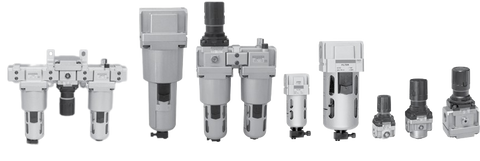
Bellofram Precision Controls offers a rugged line of FRL units designed for reliable air preparation, precise pressure regulation, and easier maintenance in industrial pneumatic systems
Common Questions About FRL Units and Pneumatic Efficiency
What does an FRL unit do in a pneumatic system?
An FRL unit prepares compressed air before it reaches downstream equipment. The filter removes moisture and contaminants, the regulator helps maintain stable pressure, and the lubricator adds controlled oil mist when downstream tools, valves, or cylinders require lubrication.
What is the correct order for an FRL assembly?
The correct FRL sequence is filter, regulator, then lubricator. This order allows the air to be cleaned first, regulated to the proper pressure, and then lubricated before it reaches the equipment that needs conditioned air.
Why does FRL airflow direction matter?
FRL airflow direction matters because each module is designed to work with air moving in a specific direction. If the assembly is installed backward, the filter may remove lubricant before it reaches downstream equipment, or the regulator and lubricator may not perform as intended.
How should I size an FRL unit?
An FRL should be sized based on the application’s peak flow demand, not pipe size alone. The correct size depends on total air consumption, expected SCFM, pressure requirements, and how many tools, valves, or cylinders may operate at the same time.
What happens if an FRL is undersized?
An undersized FRL can restrict airflow and create pressure drop during periods of high demand. This can lead to sluggish cylinder movement, inconsistent tool performance, unstable downstream pressure, wasted energy, and premature wear on pneumatic equipment.
Where should an FRL be installed?
An FRL should be installed vertically with the bowls pointing down and placed as close to the target equipment as practical. This helps maintain proper drainage, lubrication performance, and access for inspection, draining, and routine service.
How often should pneumatic filter elements be replaced?
Pneumatic filter elements should be checked on a regular maintenance schedule and replaced when they become loaded with contaminants. A noticeable increase in pressure drop across the filter, often around 7 to 10 PSI, can indicate that the element needs replacement.
How should a pneumatic lubricator be adjusted?
A pneumatic lubricator should be adjusted while the system is operating under normal load. The correct setting depends on the equipment and duty cycle, but a common starting point is about one drop of oil for every 5 to 10 tool cycles, or about one drop every 30 seconds during continuous airflow.
How do Bellofram Precision Controls FRLs support pneumatic efficiency?
Bellofram Precision Controls FRLs help support pneumatic efficiency by combining filtration, pressure regulation, and lubrication in a properly sequenced air preparation assembly. The MA Series FRL line gives maintenance teams and OEMs a practical way to condition compressed air, reduce pressure instability, support downstream equipment life, and improve day-to-day pneumatic system performance.