News
Why Diaphragm Air Cylinders Outperform Traditional O-Ring Designs
The Hidden Tradeoff in Traditional Cylinder Design
In many pneumatic systems, cylinder selection is treated as a commodity decision. As long as it moves, it works.
But in applications where motion quality, responsiveness, and long-term reliability matter, the type of sealing technology inside the cylinder makes a measurable difference.
Traditional air cylinders rely on o-ring seals that slide along the cylinder wall. While widely used, this design introduces friction into every stroke. Over time, that friction leads to wear, inconsistent motion, and increased maintenance.
It works, but it comes with tradeoffs.
A Different Approach: Rolling Diaphragms
Bellofram Precision Controls diaphragm air cylinders are built on a fundamentally different principle.
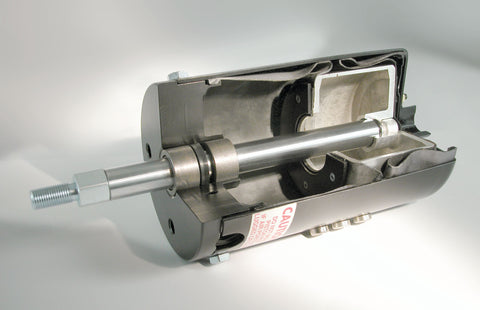
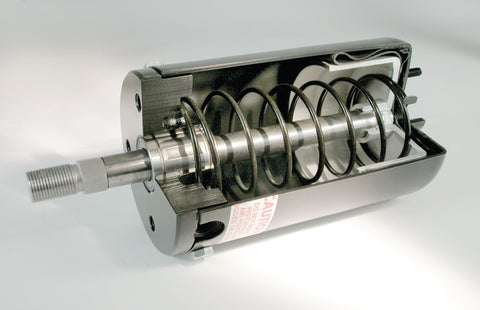
Instead of sliding seals, these cylinders use a rolling diaphragm that eliminates sliding friction. The diaphragm rolls with the motion of the piston, removing the primary source of resistance found in conventional designs.
That single design change drives several key performance advantages:
• No stick-slip behavior
• No lubrication required
• Extremely low breakaway pressure
• Smoother, more controlled motion
• Minimal maintenance requirements
• Reduced wear and longer service life
The result is a cylinder that performs more consistently, especially in applications where precision and repeatability are critical.
Where the Difference Shows Up
The benefits of diaphragm cylinder design become most apparent in applications where motion quality directly impacts system performance.
Common use cases include:
• Valve Actuation: Smooth, predictable movement improves control and responsiveness.
• Damper and Louver Control: Consistent positioning without hesitation or overshoot.
• Fluid Handling Systems: Stable actuation supports repeatable system behavior.
• Tension Control and Dancer Rolls: Eliminates stick-slip that can disrupt material handling.
• Shock Absorption and Load Control: Controlled motion improves system stability.
In these environments, even small inconsistencies in motion can lead to larger system-level issues. Reducing friction at the cylinder level helps eliminate those variables.
Choosing the Right Diaphragm Cylinder
Bellofram Precision Controls offers multiple diaphragm cylinder configurations designed to match different application needs.
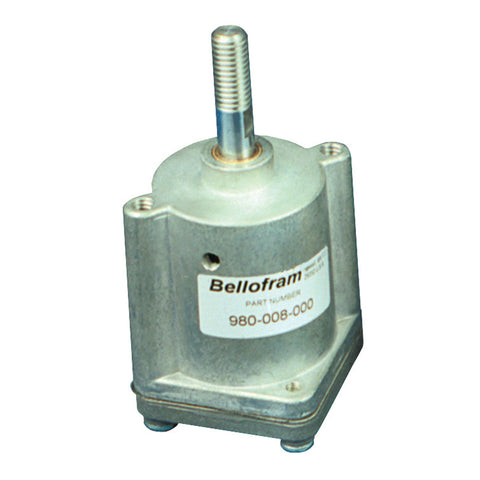
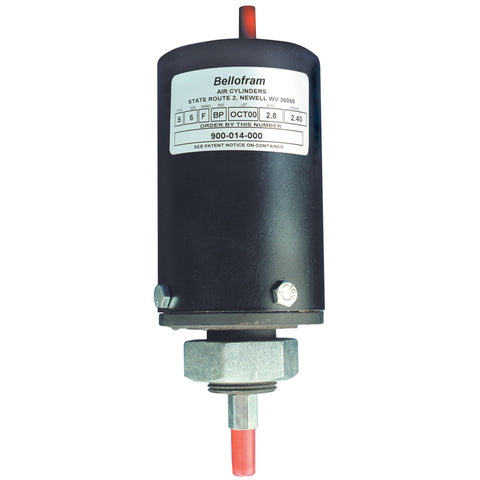
• Standard Cylinders: A versatile solution for general-purpose industrial applications.
• Super Cylinders: Designed for high sensitivity and precision, featuring linear ball bearings and hardened rods for enhanced responsiveness.
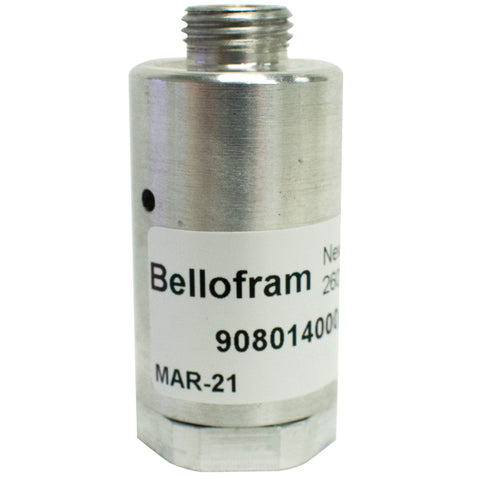
• Small Bore Cylinders: Compact designs for space-constrained systems without sacrificing performance.
This structured approach allows engineers and operators to select the right level of performance without unnecessary complexity.
Diaphragm vs. O-Ring Cylinders: A Clear Difference
When comparing diaphragm cylinders to traditional o-ring designs, the differences are consistent and measurable.
• Motion Quality: Diaphragm cylinders provide smooth, linear motion without stick-slip, while o-ring cylinders can exhibit inconsistent movement due to friction.
• Breakaway Force: Lower breakaway pressure allows diaphragm cylinders to respond more quickly and accurately.
• Wear and Maintenance: With no sliding seal, diaphragm cylinders experience less wear and require less frequent maintenance.
• Leakage and Lubrication: Diaphragm designs minimize leakage and do not require lubrication, simplifying system upkeep.
These differences are not just theoretical. They impact uptime, performance stability, and total cost of ownership over the life of the equipment.
Rethinking Cylinder Selection
If your application depends on smooth, controlled, and repeatable motion, cylinder design should not be an afterthought.
While traditional o-ring cylinders remain common, they introduce friction and variability that can limit system performance over time.
Diaphragm air cylinders offer a proven alternative by removing that friction at the source.
Explore the Difference
Want a side-by-side breakdown?
Download the Bellofram Precision Controls Diaphragm Cylinder Battle Card to compare diaphragm and o-ring designs, understand key performance differences, and identify the right solution for your application.
Or connect with our team to discuss your specific requirements and find the best fit for your system.
Common Questions About Diaphragm Air Cylinders and O-Ring Cylinder Designs
What is the difference between a diaphragm air cylinder and an O-ring cylinder?
A diaphragm air cylinder uses a rolling diaphragm to create motion, while a traditional O-ring cylinder uses sliding seals that move along the cylinder wall. The rolling diaphragm design helps reduce friction, improve motion consistency, lower breakaway pressure, and reduce maintenance requirements.
Why do traditional O-ring cylinders create more friction?
Traditional O-ring cylinders rely on seals that slide against the cylinder wall during each stroke. That sliding contact creates friction, which can lead to stick-slip behavior, inconsistent motion, seal wear, and additional maintenance over time.
How does a rolling diaphragm improve cylinder performance?
A rolling diaphragm moves with the piston instead of sliding against the cylinder wall. This helps eliminate the primary source of seal friction, allowing the cylinder to deliver smoother, more controlled, and more repeatable motion.
What is stick-slip behavior in an air cylinder?
Stick-slip behavior occurs when friction causes a cylinder to hesitate, jump, or move inconsistently instead of traveling smoothly. In precision motion applications, stick-slip can affect positioning, responsiveness, tension control, and overall system stability.
Why is low breakaway pressure important?
Low breakaway pressure allows a cylinder to begin moving with less input pressure. This improves sensitivity and responsiveness, especially in applications where small pressure changes need to create smooth, predictable motion.
Do diaphragm air cylinders require lubrication?
Diaphragm air cylinders do not require lubrication in the same way many traditional sliding-seal designs do. Because the rolling diaphragm eliminates sliding seal friction, system upkeep is simplified and maintenance requirements are reduced.
Where are diaphragm air cylinders commonly used?
Diaphragm air cylinders are commonly used in applications where smooth, controlled, and repeatable motion matters. Common uses include valve actuation, damper and louver control, fluid handling systems, tension control, dancer rolls, shock absorption, and load control.
How do I choose the right Bellofram diaphragm air cylinder?
The right diaphragm air cylinder depends on the required force, stroke, sensitivity, mounting style, available space, and motion requirements. Bellofram Precision Controls offers standard cylinders, super cylinders, and small bore cylinders to support different levels of performance and application needs.