News
Bellofram Precision Controls: The Stainless Steel Standard for Pressure Regulation
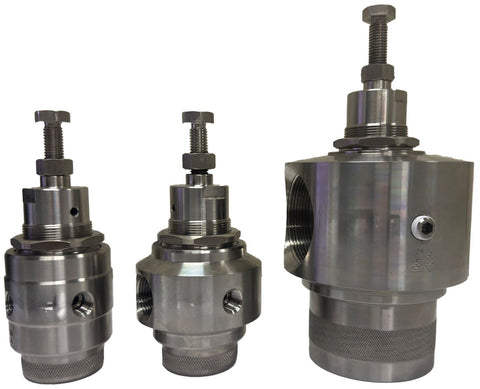
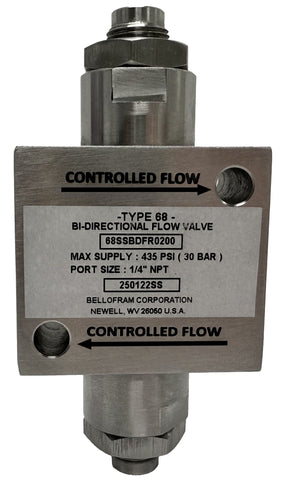
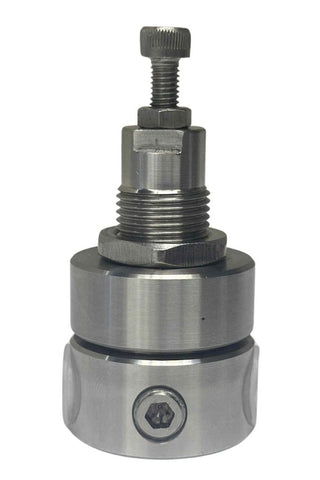
direct acting diaphragm pressure reducing regulator stainless steel
In the world of precision controls, the materials used in manufacturing components are just as crucial as the design itself. Among these materials, stainless steel stands out as a true workhorse, particularly when it comes to pressure regulation and filtration. At Bellofram Precision Controls, our range of stainless steel regulators and filters is engineered for demanding environments where performance, reliability, and longevity are paramount. Today, we'll delve into why stainless steel is the material of choice for specific critical applications.
Where Stainless Steel Steps Up: Essential Applications
Certain industries and applications simply cannot compromise on material integrity. This is where stainless steel components become indispensable:
- Harsh Chemical Environments: Industries dealing with corrosive chemicals, such as chemical processing plants and laboratories, rely heavily on stainless steel. Its inherent resistance to a wide range of chemicals prevents degradation, ensuring the integrity of the pressure control system and preventing potentially hazardous leaks or failures. Imagine a regulator controlling the flow of a corrosive agent – a standard material would quickly deteriorate, but stainless steel can handle the challenge.
- Food and Beverage Processing: Hygiene and the prevention of contamination are non-negotiable in the food and beverage sector. Stainless steel's non-porous surface is easy to clean and sanitize, preventing the buildup of bacteria and ensuring compliance with stringent industry regulations. From controlling air pressure in packaging machinery to regulating gas flow in brewing processes, stainless steel components are vital.
- Pharmaceutical and Medical Applications: Similar to the food and beverage industry, cleanliness and biocompatibility are critical in pharmaceutical manufacturing and medical devices. Stainless steel's inert nature prevents reactions with pharmaceutical products and bodily fluids, making it the ideal material for pressure control in medical gas delivery systems, sterilization equipment, and pharmaceutical processing.
- Marine and Offshore Environments: Exposure to saltwater and harsh weather conditions can wreak havoc on many materials. Stainless steel's excellent corrosion resistance makes it a prime choice for pneumatic systems and pressure regulation in marine vessels, offshore platforms, and coastal facilities. Think of controlling hydraulic or pneumatic systems on a ship – stainless steel components can withstand the corrosive salt spray.
- High Purity Applications: Industries requiring ultra-pure gases or liquids, such as semiconductor manufacturing and certain analytical processes, benefit from stainless steel's non-reactive nature and minimal outgassing properties, ensuring the purity of the controlled media.
- Extreme Temperature Environments: Some industrial processes involve very high or very low temperatures. Certain grades of stainless steel maintain their mechanical properties across a broad temperature range, making them suitable for pressure control in these demanding conditions.
The Winning Advantages: Benefits of Using Stainless Steel in Pressure Control Systems
Choosing stainless steel for pressure control systems offers a multitude of benefits:
- Superior Corrosion Resistance: This is arguably the most significant advantage. Stainless steel's chromium content forms a passive layer that protects the underlying metal from rust and corrosion, extending the lifespan of the components and reducing maintenance costs, especially in aggressive environments.
- Enhanced Durability and Strength: Stainless steel is known for its robust mechanical properties, offering excellent resistance to wear, impact, and high pressure. This ensures reliable performance and minimizes the risk of failure, contributing to safer operations.
- Excellent Hygiene and Cleanliness: As mentioned earlier, the non-porous surface of stainless steel is easy to clean and sterilize, making it ideal for applications where hygiene is paramount.
- Longevity and Reduced Life Cycle Costs: While the initial cost of stainless steel components might be slightly higher than those made from other materials, their extended lifespan and reduced maintenance requirements often result in lower overall life cycle costs.
- Resistance to Extreme Temperatures: Certain grades of stainless steel can maintain their integrity and performance across a wide range of temperatures, making them versatile for various industrial processes.
- Aesthetic Appeal: While functionality is the primary concern, stainless steel's clean and professional appearance can be an added benefit in some applications.
Bellofram Precision Controls: Stainless Steel vs. Non-Stainless Steel Options
At Bellofram Precision Controls, we offer a range of regulators and filters in various materials to suit different application needs. While our non-stainless steel options (such as those made from aluminum or brass) offer excellent performance in many general industrial applications, our stainless steel line is specifically engineered for environments where the benefits outlined above are critical.
Compared to our non-stainless steel options, Bellofram Precision Controls' stainless steel regulators and filters generally offer:
- Enhanced resistance to harsh chemicals and corrosive environments.
- Superior durability and a longer service life in demanding conditions.
- Suitability for applications requiring high levels of cleanliness and hygiene.
- Reliable performance in a broader range of operating temperatures.
While non-stainless steel components may be more cost-effective for less demanding applications, the investment in stainless steel is often justified in critical environments where failure or degradation can lead to significant costs, safety hazards, or product contamination.
Industries That Most Likely Utilize Stainless Steel Products from Bellofram Precision Controls
Given the benefits, it's no surprise that several key industries heavily rely on stainless steel pressure control components from manufacturers like Bellofram Precision Controls:
- Chemical Processing
- Food and Beverage
- Pharmaceuticals and Biotechnology
- Oil and Gas
- Marine
- Semiconductor Manufacturing
- Water and Wastewater Treatment
- Pulp and Paper
The Bottom Line
When the application demands uncompromising resistance to corrosion, exceptional durability, and the highest standards of hygiene, stainless steel pressure control components are the clear choice. At Bellofram Precision Controls, our stainless steel regulators and filters are engineered to deliver reliable performance and long service life in these critical environments, ensuring the safety, efficiency, and integrity of your operations.
Do you have specific questions about our stainless steel product line or a particular application you're considering? Contact the experts at Bellofram Precision Controls today to discuss your needs!
Common Questions About Stainless Steel Pressure Regulation
Why is stainless steel used in pressure regulation?
Stainless steel is used in pressure regulation because it offers strong corrosion resistance, durability, cleanability, and long service life. In harsh or hygiene-critical environments, stainless steel regulators and filters can help maintain reliable performance where aluminum, brass, or other materials may degrade more quickly.
What applications benefit most from stainless steel regulators and filters?
Stainless steel regulators and filters are especially useful in chemical processing, food and beverage production, pharmaceutical manufacturing, medical systems, marine and offshore environments, semiconductor manufacturing, water and wastewater treatment, and other applications where corrosion resistance, cleanliness, and reliability are important.
How does stainless steel help prevent corrosion in pressure control systems?
Stainless steel contains chromium, which forms a passive protective layer on the surface of the material. This helps resist rust and corrosion, extending component life and helping pressure control systems perform more reliably in aggressive environments.
Why are stainless steel components used in hygienic applications?
Stainless steel components are commonly used in hygienic applications because the material is non-porous, durable, and easy to clean. This helps reduce contamination concerns in food and beverage, pharmaceutical, medical, and high-purity process environments.
When should I choose stainless steel over aluminum or brass?
Stainless steel is usually the better choice when the application involves corrosive media, chemical exposure, washdowns, saltwater, harsh outdoor conditions, elevated cleanliness requirements, high-purity gases, or demanding operating environments. Aluminum or brass may still be suitable for less demanding general industrial applications.
Do stainless steel regulators have a higher lifecycle value?
Stainless steel regulators may have a higher initial cost, but they can provide better lifecycle value in demanding applications. Their corrosion resistance, durability, and longer service life can help reduce maintenance, replacement frequency, downtime, and system reliability issues over time.
Which industries use Bellofram Precision Controls stainless steel products?
Bellofram Precision Controls stainless steel products are commonly used in chemical processing, food and beverage, pharmaceuticals and biotechnology, oil and gas, marine, semiconductor manufacturing, water and wastewater treatment, and pulp and paper applications.
How do I choose the right stainless steel pressure control product?
The right stainless steel pressure control product depends on the media, pressure range, flow requirements, filtration needs, operating temperature, environmental exposure, cleanliness requirements, and installation style. Bellofram Precision Controls can help review the application and identify the best regulator, filter, or filter regulator for the system.